
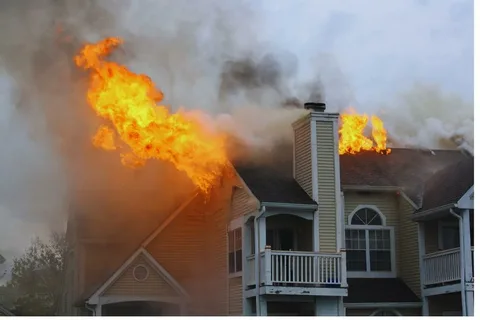
Trusted Fire and Water Damage Restoration Services in North Las Vegas, NV for Emergency Cleanup
Unexpected property damage can disrupt everyday life in a matter of minutes. A burst pipe may saturate flooring and drywall, while a kitchen fire can leave smoke residue, damaged cabinets, and unsafe building materials throughout a home.
Even after the immediate emergency has passed, property owners may face difficult questions. Which materials can be saved? How can hidden moisture be identified? What repairs should happen first? And how should restoration work be documented for an insurance claim?
The answers depend on the cause of the damage, the condition of the property, and the extent of the affected areas.
For homeowners and property managers in North Las Vegas, NV, professional restoration can help organize the recovery process, from initial assessment to necessary repairs.
GNK LLC provides general contracting, home remodeling, handyman services, and fire and water damage restoration throughout the Las Vegas Valley.
Its professional fire and water damage restoration services include damage assessment, water removal, drying, smoke and soot cleanup, structural repairs, and insurance-related restoration support.
Why Professional Property Restoration Matters
Fire and water damage often extend beyond what is immediately visible.
Water may travel beneath flooring or enter wall cavities. Smoke residue can settle on surfaces far from the original fire. Damaged building materials may also require replacement before the property can be used safely.
A professional restoration plan helps identify these concerns and establish an appropriate repair sequence.
Important priorities include:
- Identifying immediate safety hazards
- Evaluating the extent of damage
- Preventing additional deterioration
- Removing standing water where appropriate
- Drying affected building materials
- Addressing smoke and soot contamination
- Evaluating structural components
- Documenting necessary repairs
- Coordinating reconstruction
- Reviewing completed work
The exact process depends on the type and severity of the incident.
Trusted Emergency Water Damage Cleanup in North Las Vegas, NV
Water damage can affect residential and commercial properties for many reasons, including plumbing leaks, appliance failures, and flooding.
When moisture enters walls, flooring, or insulation, the damage may continue developing even after the original water source has been stopped.
Property owners seeking trusted emergency water damage cleanup in North Las Vegas, NV can review GNK LLC’s local restoration and property repair services.
The company’s North Las Vegas page describes emergency water removal, structural drying, fire damage cleanup, and restoration work.
An effective response begins with identifying the water source and assessing the affected materials.
Water extraction may be necessary before drying equipment can address remaining moisture.
Damaged materials should be evaluated before reconstruction begins.
Reliable Smoke and Soot Damage Restoration in Henderson, NV
A fire can affect more than the room where flames were visible.
Smoke and soot may spread through connected spaces, leaving residue on walls, ceilings, furnishings, and other surfaces.
Homeowners considering reliable smoke and soot damage restoration in Henderson, NV can explore GNK LLC’s local fire recovery, cleanup, and repair services.
The company’s Henderson page identifies smoke residue cleanup, odor control, damaged material repairs, and insurance-related restoration coordination among its services.
Professional assessment helps determine which surfaces may be cleaned and which materials require replacement.
Odor treatment should also address the underlying source rather than simply masking unwanted smells.
Common Causes of Water Damage
Water intrusion can result from several different situations.
Examples include:
- Burst plumbing pipes
- Leaking supply lines
- Overflowing sinks or tubs
- Water heater failures
- Appliance leaks
- Roof leaks
- Drainage problems
- Storm-related water entry
Each source creates different restoration considerations.
Clean water from a plumbing supply line may require different procedures from water affected by sewage or outside flooding.
The source and potential contamination should be evaluated before cleanup begins.
Signs of Hidden Water Damage
Water damage is not always obvious.
Some warning signs include:
- Discolored drywall
- Peeling paint
- Swollen baseboards
- Warped flooring
- Musty odors
- Soft or deteriorating materials
- Damp insulation
- Unexplained staining
These conditions can indicate that moisture has reached concealed areas.
A professional assessment can help determine whether additional inspection is necessary.
Emergency Water Extraction
Standing water should be addressed promptly when conditions are safe.
Water extraction removes excess liquid from affected areas.
However, extraction alone does not complete the drying process.
Moisture may remain inside porous building materials even when the floor appears dry.
Restoration professionals should evaluate the affected surfaces and determine appropriate drying procedures.
Structural Drying and Moisture Control
Drying involves reducing moisture in affected building materials to suitable conditions.
The process may require specialized equipment and monitoring.
Potential considerations include:
- Indoor humidity
- Air movement
- Material moisture levels
- Temperature
- Hidden cavities
- Flooring construction
- Wall assemblies
The equipment and drying approach depend on the property.
Simply running household fans may not adequately address moisture trapped beneath flooring or inside walls.
Why Moisture Monitoring Matters
Building materials dry at different rates.
Drywall, wood, insulation, and flooring can retain moisture differently.
Monitoring helps determine whether drying is progressing.
It also supports decisions about when repairs can begin.
Installing new finishes over wet materials can lead to further damage.
A properly sequenced restoration project should address unresolved moisture before reconstruction.
Water-Damaged Drywall Repair
Drywall can absorb water and become weakened.
Some limited surface damage may be repairable.
However, saturated, deteriorated, or contaminated drywall may require removal.
The decision depends on the water source, exposure conditions, and material condition.
GNK LLC advertises drywall repair and structural restoration as part of its property recovery services.
Repairs should follow appropriate drying and preparation.
Flooring Restoration After Water Damage
Water may affect carpet, laminate, hardwood, tile assemblies, and subfloor materials.
Different flooring types respond differently to moisture.
Some surfaces may be suitable for drying and restoration.
Others may require removal.
A contractor should evaluate the entire flooring assembly rather than only the visible finish.
Moisture beneath flooring can remain unnoticed without appropriate assessment.
Cabinet and Trim Damage
Kitchen and bathroom cabinets may be affected by plumbing leaks or flooding.
Particleboard and certain engineered materials can swell after prolonged water exposure.
Wood trim may also warp or separate.
Restoration decisions depend on material type and the extent of damage.
Repairing a cabinet’s appearance without addressing hidden moisture may not resolve the underlying problem.
Fire Damage Restoration Explained
Fire restoration involves assessing and repairing property affected by heat, flames, smoke, and related damage.
The process may include:
- Initial damage assessment
- Removal of damaged materials
- Smoke residue cleaning
- Soot treatment
- Odor control
- Structural repairs
- Drywall replacement
- Flooring repairs
- Interior finishing
The scope depends on the incident.
Properties should not be entered until relevant authorities permit access.
Smoke and Soot Removal
Smoke residue can settle on many types of surfaces.
Soot may stain finishes and affect materials that were not directly exposed to flames.
Cleaning methods should be matched to the residue and surface.
Some materials may respond to professional treatment.
Others may be too heavily damaged for practical restoration.
GNK LLC identifies smoke and soot cleanup among its fire damage services.
Fire-Damaged Drywall and Ceiling Repair
Heat and smoke may affect drywall, ceilings, insulation, and other building components.
Visible staining does not always indicate the full extent of damage.
A professional inspection should determine whether materials are structurally sound and suitable for cleaning.
Damaged sections may need removal and replacement.
Repairs should be completed only after the underlying conditions have been addressed.
Structural Repairs After Fire or Water Damage
Some incidents affect more than decorative finishes.
Framing, subfloors, ceilings, and other components may require evaluation.
Structural damage should be assessed by appropriately qualified professionals.
Depending on the project, engineering or permits may be necessary.
GNK LLC advertises structural repair and property restoration services for fire- and water-damaged buildings.
The goal is to restore appropriate function and address damaged components rather than simply conceal visible problems.
Understanding Smoke Odor Treatment
Smoke odors may remain after visible soot has been removed.
Porous materials can absorb smoke-related residues.
Effective odor treatment should begin with source identification and suitable cleaning.
Additional treatment methods may be appropriate in certain circumstances.
The selected process should account for safety, material compatibility, and occupancy conditions.
Covering an odor with fragrance does not necessarily resolve contamination.
Indoor Air Quality After Property Damage
Fire and water incidents may affect indoor air conditions.
Potential concerns include smoke particles, dust from damaged materials, and moisture-related problems.
Restoration work should focus on removing or controlling the underlying sources.
Air filtration may be useful in some situations, but it does not replace necessary material cleaning or removal.
Additional professional evaluation may be appropriate when contamination concerns remain.
Preventing Additional Water Damage
Once a water source has been identified, property owners should address the underlying problem.
Depending on the situation, this may involve plumbing repairs, roof maintenance, or drainage improvements.
Restoring interior finishes without correcting the original cause can allow damage to recur.
A complete recovery plan should include both immediate repairs and prevention.
Restoration After Appliance Leaks
Dishwashers, refrigerators, washing machines, and water heaters can cause significant damage when connections fail.
Water may spread beneath cabinets or flooring.
A professional assessment should evaluate the affected area and determine whether concealed moisture is present.
Damaged appliance connections should be repaired by qualified professionals when required.
Fire and Water Damage in Rental Properties
Landlords and property managers may need to coordinate repairs while considering tenant safety.
The restoration process should include clear communication about access, work schedules, and affected areas.
Responsibility for repairs and temporary accommodation depends on applicable laws, agreements, and insurance policies.
Property managers should document the condition of the property and the work performed.
GNK LLC serves homeowners and property managers throughout the Las Vegas area.
The Professional Restoration Process
A typical project involves several stages.
1. Initial Consultation
The property owner explains the incident and immediate concerns.
2. Safety Assessment
Potential electrical, structural, and contamination hazards are reviewed.
3. Damage Inspection
Affected areas and materials are evaluated.
4. Restoration Planning
The contractor develops a scope based on the property conditions.
5. Water Removal or Debris Cleanup
Standing water or damaged materials are addressed as appropriate.
6. Drying and Cleaning
Remaining moisture, smoke residue, and affected surfaces are treated.
7. Material Evaluation
The contractor determines which components can be repaired and which require replacement.
8. Reconstruction
Necessary drywall, flooring, framing, and finish repairs are completed.
9. Final Review
Completed work is checked against the agreed scope.
The actual sequence depends on the incident and project requirements.
Insurance-Supported Property Restoration
Some fire and water losses may involve insurance claims.
Coverage depends on the policy, cause of loss, exclusions, and other conditions.
Property owners should notify their insurer and follow applicable reporting procedures.
Useful documentation may include:
- Photographs
- Damage inventories
- Incident details
- Contractor estimates
- Repair invoices
- Temporary accommodation receipts
- Written communications
GNK LLC advertises insurance-supported restoration assistance, including damage assessment and repair coordination.
However, the insurer determines coverage and claim approval.
Why Written Estimates Matter
A restoration estimate should clearly explain the proposed work.
It may identify:
- Affected rooms
- Materials requiring removal
- Cleaning and drying work
- Repairs
- Replacement materials
- Labor
- Equipment
- Project schedule
- Potential additional work
Hidden damage can sometimes be discovered during demolition.
A written change-order process helps property owners understand adjustments before authorizing additional repairs.
How Much Does Fire and Water Damage Restoration Cost?
Restoration pricing varies according to the incident.
Important factors include:
- Size of the affected area
- Water source
- Fire severity
- Smoke contamination
- Drying requirements
- Damaged materials
- Structural repairs
- Flooring replacement
- Cabinet repairs
- Labor
- Equipment
- Reconstruction complexity
A minor leak may require a different scope from extensive fire damage.
Property owners should request a project-specific assessment rather than rely on a universal price.
How Long Does Restoration Take?
The timeline depends on the extent of damage and the work required.
A limited repair may be completed sooner than a project involving several rooms, structural damage, or major reconstruction.
Drying time, material availability, permit requirements, and inspections can affect scheduling.
The contractor should explain the expected sequence and provide updates when conditions change.
What Homeowners Should Avoid After Damage
Several mistakes can increase risks or complicate recovery.
These include:
- Entering an unsafe building
- Using electrical equipment in wet areas
- Ignoring potential contamination
- Delaying necessary water removal
- Painting over moisture damage
- Installing flooring before drying
- Cleaning fire residue with unsuitable products
- Discarding important insurance evidence too early
- Hiring unqualified contractors
- Approving unclear repair scopes
Safety and documentation should guide early decisions.
Preparing Your Home for Restoration Work
Homeowners should discuss access requirements with the contractor.
Personal belongings may need to be moved from affected areas.
Some rooms may remain unavailable during drying or reconstruction.
If the property is unsafe to occupy, alternative accommodation may be necessary.
The contractor should explain expected disruptions and the areas where work will take place.
Choosing a Reliable Restoration Contractor
Before hiring a company, ask about its experience with the specific type of damage.
Discuss inspection methods, drying procedures, repair capabilities, and documentation.
Confirm applicable licensing and insurance.
Request a written scope and clear communication about project changes.
GNK LLC combines restoration services with general contracting and residential repair work throughout the Las Vegas Valley.
Why Coordinated Reconstruction Helps
Restoration often involves several stages and trades.
Water removal, drying, demolition, drywall repairs, flooring, and finishing must be scheduled in an appropriate order.
Poor coordination can lead to rework or delays.
A contractor who understands both damage restoration and reconstruction can help organize the overall project.
GNK LLC advertises fire and water restoration alongside kitchen remodeling, bathroom remodeling, and general property repairs.
Long-Term Property Maintenance After Restoration
After repairs are complete, routine maintenance can help reduce the likelihood of future problems.
Homeowners may consider:
- Inspecting plumbing connections
- Maintaining appliances
- Checking roof conditions
- Addressing drainage concerns
- Monitoring signs of moisture
- Maintaining smoke alarms
- Following appropriate fire safety practices
- Reporting leaks promptly
Maintenance cannot prevent every emergency, but it can help identify developing problems.
Conclusion
Trusted fire and water damage restoration services help North Las Vegas and Henderson property owners respond to unexpected damage through organized assessment, cleanup, drying, and repair.
From emergency water extraction and smoke residue treatment to moisture control and structural reconstruction, the right approach should address the underlying conditions before restoring the property’s appearance.
GNK LLC provides fire and water damage restoration, general contracting, remodeling, and property repair services throughout the Las Vegas Valley.
To discuss restoration needs or request an estimate, contact GNK LLC at (702) 373-6968 or gnkllc@live.com.
Frequently Asked Questions
What does fire and water damage restoration include?
Depending on the incident, restoration may include damage assessment, water removal, structural drying, smoke cleanup, material removal, repairs, and reconstruction.
How quickly should water damage be addressed?
Water damage should be assessed promptly once conditions are safe, because moisture can spread into building materials and increase repair needs.
Can smoke and soot damage be cleaned?
Some surfaces can be professionally cleaned, while heavily affected materials may require replacement. The appropriate method depends on the residue and material.
Does GNK LLC repair damaged drywall and flooring?
Yes. The company advertises drywall, flooring, and structural repair work as part of its fire and water damage restoration services.
Can restoration work be coordinated with insurance claims?
Yes. GNK LLC advertises insurance-supported restoration assistance, although insurance coverage and claim decisions depend on the insurer and policy.
Does GNK LLC serve North Las Vegas and Henderson, NV?
Yes. The company maintains dedicated service-area pages for both communities and advertises fire and water damage restoration in each location.