
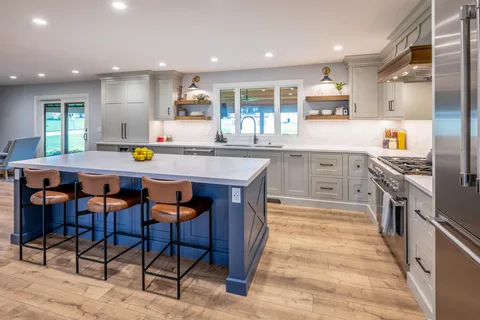
Make Your Kitchen More Functional With Remodeling in Spring Valley, NV
A kitchen should make everyday tasks easier while providing a comfortable space for cooking, dining, and spending time with family. However, an outdated layout, limited storage, poor lighting, or worn surfaces can make daily routines difficult. A well-planned renovation can solve these problems and help homeowners get more value from their existing space. From replacing old cabinets to improving countertops and updating appliances, every improvement can contribute to a more practical kitchen.
Homeowners considering reliable Kitchen Remodeling should begin by identifying what currently works and what needs improvement. For example, a family that cooks regularly may need additional counter space, while another household might benefit from better storage and improved lighting. Therefore, the right design should reflect actual household needs rather than follow temporary trends.
GNK, LLC helps homeowners approach kitchen improvements with practical goals and thoughtful planning. A successful project considers the available space, existing features, material choices, and daily routines. Moreover, homeowners in Spring Valley and nearby Paradise, NV, can benefit from making informed decisions before starting construction. With a clear plan, a kitchen renovation can improve functionality, comfort, and the overall appearance of the home.
Understanding What Your Kitchen Needs Before Remodeling
Before selecting cabinets, countertops, or flooring, take time to understand how your kitchen functions. Every household uses its kitchen differently. Therefore, identifying everyday challenges helps create a renovation plan that delivers practical results.
For example, you might struggle with limited preparation space or cabinets that cannot hold your cookware. Likewise, an awkward appliance layout can make cooking less convenient. Addressing these concerns first helps prevent unnecessary changes during construction.
Identify Everyday Problems and Set Clear Goals
Start by observing your daily kitchen activities. Consider where you prepare meals, store ingredients, clean dishes, and organize cooking equipment. These details can reveal which improvements deserve priority.
Here are several areas worth reviewing:
- Storage: Check whether cabinets provide enough room for dishes, cookware, and pantry items.
- Counter space: Identify areas where you need additional room for food preparation.
- Lighting: Look for dark corners and poorly illuminated work surfaces.
- Appliances: Consider whether existing appliances fit your cooking habits and available space.
- Movement: Notice whether people can move comfortably between the refrigerator, sink, and stove.
Additionally, establish a realistic renovation budget before choosing materials. Separate essential improvements from optional upgrades. This approach helps control spending and keeps the project focused.
Homeowners should also consider how long they plan to stay in their property. For instance, families planning to remain for several years may prioritize durable materials and flexible storage. Meanwhile, homeowners preparing to sell may focus on practical improvements that appeal to future buyers.
Planning a Kitchen Layout That Supports Daily Activities
The kitchen layout affects how comfortably people prepare meals, clean dishes, and access appliances. Therefore, thoughtful planning should come before decorative decisions. A beautiful kitchen can still feel inconvenient when its main work areas lack proper organization.
An effective layout keeps frequently used areas accessible. It also provides enough clearance for cabinet doors, appliances, and comfortable movement. Furthermore, the available floor space should guide the design instead of forcing an unsuitable layout into the room.
Make the Most of Expert Kitchen Remodeling
Expert Kitchen Remodeling starts with understanding how different kitchen areas work together. A practical design considers the relationship between the sink, cooking area, and refrigerator. These three areas form the traditional kitchen work triangle.
However, modern kitchens often include additional zones for baking, meal preparation, and casual dining. Consequently, homeowners should consider their actual routines when selecting a layout.
Five practical layout improvements include:
- Improve workflow: Keep frequently used appliances within convenient reach.
- Create preparation zones: Reserve clear counter space for chopping and assembling meals.
- Improve accessibility: Avoid placing everyday items in difficult-to-reach cabinets.
- Plan appliance placement: Allow sufficient room for refrigerator and oven doors.
- Maintain clear pathways: Provide comfortable walking space around islands and dining areas.
Additionally, consider whether an island would improve the available workspace. An island can provide extra storage, seating, or food preparation space. However, it should not restrict movement or make the kitchen feel crowded.
For homeowners in Spring Valley and Paradise, the best layout depends on the home’s existing structure, available space, and renovation goals.
Choosing Cabinets, Countertops, and Other Essential Materials
Materials influence how a kitchen looks, feels, and performs over time. Therefore, homeowners should balance appearance, durability, maintenance, and cost when selecting finishes.
Cabinets deserve particular attention because they occupy a large portion of the kitchen. Their design affects both storage capacity and the room’s overall appearance. Similarly, countertops must handle regular food preparation, cleaning, and everyday use.
Select Materials That Match Your Household
A dependable kitchen renovation contractor service can help homeowners understand the differences between available materials. For example, natural stone offers a distinctive appearance, while engineered surfaces provide different design and maintenance options.
Consider these five practical material choices:
- Cabinet construction: Choose cabinets with suitable construction and dependable hardware.
- Countertop surfaces: Compare durability, maintenance needs, appearance, and installation costs.
- Flooring: Select a surface that handles regular foot traffic and routine cleaning.
- Backsplashes: Consider materials that protect walls from cooking splashes.
- Hardware: Choose handles and hinges that feel comfortable and support regular use.
Furthermore, sample materials should be viewed under the lighting conditions found in the actual kitchen. A finish that looks attractive in a showroom may appear different at home.
Avoid choosing every material separately without considering the complete design. Instead, compare colors, textures, and finishes together. This creates a more consistent appearance and helps prevent costly design changes later.
Improving Storage and Lighting for Better Convenience
Storage and lighting often determine whether a kitchen feels comfortable or frustrating. Even a spacious kitchen can become difficult to use when cabinets lack organization or work surfaces remain poorly illuminated.
Fortunately, thoughtful improvements can make existing space more useful. Homeowners do not always need to expand the kitchen to improve its functionality. Instead, better organization and carefully placed lighting can address several everyday problems.
Create a More Organized and Comfortable Kitchen
Custom kitchen remodeling services can address storage and lighting needs through practical design choices. However, each improvement should suit the kitchen’s dimensions and the household’s habits.
Consider these five useful upgrades:
- Pull-out shelves: Make frequently used kitchen supplies easier to access.
- Drawer organizers: Keep utensils, cooking tools, and small accessories organized.
- Corner storage: Make awkward cabinet corners more useful.
- Under-cabinet lighting: Improve visibility across food preparation surfaces.
- Layered lighting: Combine ceiling lights, task lighting, and decorative fixtures.
Additionally, consider installing pantry organizers or dedicated spaces for small appliances. These additions can reduce countertop clutter and make cleaning easier.
Lighting also deserves careful attention. General lighting illuminates the entire room, while task lighting supports activities such as chopping and reading recipes. Meanwhile, accent lighting can highlight selected design features.
However, avoid relying on decorative fixtures alone. Proper illumination should remain the priority in areas where homeowners prepare food and handle kitchen equipment.
Understanding the Kitchen Renovation Process
A kitchen renovation involves several connected stages. Good planning helps homeowners understand the work, prepare for temporary disruption, and make decisions before construction begins.
The process may involve removing existing materials, preparing surfaces, installing cabinets, updating fixtures, and completing finishing work. However, the exact sequence depends on the property’s condition and the renovation’s scope.
Follow a Practical Plan From Start to Finish
A reliable custom kitchen remodeling in Paradise, NV project begins with clear communication and realistic expectations. Homeowners should understand the proposed work before construction starts.
Here are five important steps:
- Initial assessment: Review the existing kitchen and identify necessary improvements.
- Design planning: Finalize the layout, materials, finishes, and appliance locations.
- Budget preparation: Review expected expenses and allow room for unexpected issues.
- Construction scheduling: Understand the expected work sequence and project timeline.
- Final inspection: Review completed installations, finishes, and agreed project details.
Additionally, homeowners should discuss permits before making structural, plumbing, or electrical changes. Requirements can vary depending on the type of work and local regulations.
GNK, LLC can help homeowners consider their renovation goals and practical design requirements. Clear discussions about materials, project scope, and scheduling help reduce confusion throughout the process.
Homeowners should also prepare for temporary kitchen disruptions. Setting up a small alternative food preparation area can make daily routines easier during construction.
Making Smart Remodeling Decisions for Long-Term Value
A successful renovation should serve the household beyond the initial installation. Therefore, homeowners should consider long-term comfort, maintenance, and durability when making important design decisions.
Some upgrades may look impressive but offer limited everyday benefits. In contrast, improvements such as better storage, durable surfaces, and efficient lighting can provide lasting convenience.
Focus on Practical Improvements That Last
Thoughtful Kitchen Remodeling involves more than selecting attractive finishes. It requires understanding how each feature contributes to the kitchen’s overall performance.
Consider these five long-term priorities:
- Durable materials: Choose surfaces that suit your household’s daily activities.
- Functional storage: Make frequently used items accessible and easy to organize.
- Efficient lighting: Provide suitable illumination for cooking and cleaning.
- Comfortable layouts: Maintain enough space for movement and daily activities.
- Timeless design: Choose finishes that remain appealing as personal preferences change.
Furthermore, consider maintenance requirements before purchasing materials. Some surfaces need special cleaning products, while others require regular sealing or additional care.
Energy-efficient appliances may also help reduce household energy use. However, compare their purchase prices, operating requirements, and available features before making a decision.
Overall, a practical renovation balances current needs with future use. Homeowners should prioritize improvements that make everyday activities easier rather than spending unnecessarily on features they rarely use.
Conclusion
A functional kitchen supports daily routines, provides comfortable working space, and keeps essential items organized. However, achieving these benefits requires more than updating cabinets or installing attractive countertops. Homeowners should consider the layout, lighting, storage, materials, and overall condition of the space before beginning construction.
For homeowners planning improvements, an expert kitchen renovation contractor in Spring Valley, NV, can help turn renovation goals into a practical plan. Careful preparation also helps homeowners understand material options, project requirements, and expected costs. Additionally, considering long-term maintenance can make the finished kitchen easier to manage.
The same planning approach can benefit homeowners in Paradise, NV. Every property has different dimensions and design requirements. Therefore, renovation decisions should reflect the available space and the household’s everyday activities.
GNK, LLC offers homeowners an opportunity to discuss their kitchen improvement goals and explore suitable renovation options. By focusing on practical design, thoughtful material selection, and clear project planning, homeowners can create a kitchen that works better for their needs.
Ultimately, a successful renovation should make the kitchen more comfortable, organized, and convenient. A well-planned project can help homeowners enjoy their space while supporting everyday cooking and family activities.
FAQs
How long does a kitchen remodeling project usually take?
The timeline depends on the project’s size, material availability, structural changes, and installation requirements. A detailed project schedule helps homeowners understand the expected duration.
What should homeowners consider before remodeling a kitchen?
Start with your budget, existing layout, storage needs, appliance requirements, lighting, and preferred materials. Clear priorities help guide better decisions.
Can a small kitchen become more functional without expanding it?
Yes. Better cabinet organization, improved lighting, suitable appliances, and efficient layouts can make a small kitchen more practical without increasing its size.
Which materials are suitable for kitchen countertops?
Popular choices include granite, quartz, laminate, and other engineered surfaces. Each option has different costs, maintenance needs, and durability characteristics.
Why should homeowners plan kitchen remodeling carefully?
Planning helps control expenses, prevent unnecessary design changes, coordinate construction work, and ensure the finished kitchen supports everyday household activities.