
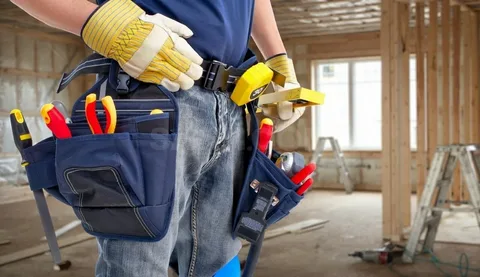
Detailed Professional Handyman Services in Paradise, NV
Plan handyman services in Paradise, NV, for move-in repairs, door adjustments, drywall patches, fixtures, and home maintenance before settling into a home.
Moving into a home can reveal small maintenance problems that were easy to overlook during the initial walkthrough. A sticking door, damaged drywall, loose cabinet hardware, or worn fixtures may not require major renovation, but these issues can affect everyday comfort. Homeowners considering handyman services in Paradise, NV, can address several common repairs before unpacking furniture and establishing their daily routines.
GNK LLC provides residential handyman services, general home repairs, and improvement work. Its services include drywall repairs, door adjustments, fixture replacements, light carpentry, and routine maintenance.
A move-in repair checklist helps homeowners organize work according to urgency, accessibility, and the condition of existing materials. Completing certain repairs before rooms are furnished can also make work areas easier to access.
The objective is not to replace every older feature. It is to identify what needs attention, determine which repairs are appropriate, and prepare the property for comfortable everyday use.
Why Handyman Repairs Matter Before Moving In
A recently purchased home may have minor defects that do not justify extensive remodeling. Loose fittings, worn surfaces, and small installation problems can often be addressed through targeted repair work.
Professional Handyman Services can help homeowners manage everyday maintenance tasks without arranging a separate large renovation project.
Before scheduling work, walk through each room and record visible concerns. Note whether the problem affects safety, function, or appearance.
A door that does not close securely may need attention before a small paint scuff. Similarly, an active plumbing leak should take priority over decorative improvements.
Some problems require licensed specialists rather than general handyman work. Electrical faults, gas-related concerns, and major structural damage should receive appropriate professional evaluation.
Organizing repairs by urgency makes the project easier to manage.
Repairing Drywall Damage Before Painting
Walls often reveal dents, nail holes, cracks, or damaged corners after furniture and decorations are removed.
Minor drywall repairs may involve patching damaged areas, applying joint compound, sanding, and preparing the surface for painting.
The appropriate method depends on the size and cause of the damage.
Small holes generally require different preparation from larger openings or sections affected by moisture.
Water-damaged drywall should not simply be covered with new compound. The moisture source must be identified and corrected before restoration.
Surface preparation also affects the finished appearance. Poorly sanded patches or incompatible textures can remain visible after painting.
Completing drywall repair before furniture placement gives workers better access and helps protect belongings from dust.
Fixing Sticking Doors and Loose Hardware
Interior doors can develop alignment problems because of worn hinges, loose screws, movement, or changes in surrounding materials.
A sticking door may require hinge adjustments, hardware repair, or minor fitting work.
However, unusual gaps around several doors may indicate broader movement that deserves further assessment.
Door latches should engage properly, and handles should operate without excessive force.
Exterior doors require additional attention because they contribute to security and weather protection.
Worn seals, damaged thresholds, and poorly aligned strike plates can affect their performance.
For homeowners seeking Affordable handyman repairs in Paradise, NV, checking doors before moving in can help identify practical repairs that improve everyday access.
Cabinet and Drawer Adjustments
Kitchen and bathroom cabinets experience frequent use, making hinges, slides, and handles common maintenance points.
Cabinet doors may become uneven, while drawers can stick or fail to close correctly.
Some problems result from loose hardware or worn adjustment mechanisms.
Depending on the condition of the materials, repairs may include tightening connections, adjusting hinges, replacing drawer slides, or installing compatible hardware.
Water-damaged cabinet materials require closer evaluation. Swollen particleboard or extensively deteriorated panels may not respond well to simple hardware adjustments.
Homeowners should inspect cabinet interiors for signs of moisture before organizing stored items.
Repairing functional cabinetry can improve daily convenience without requiring complete cabinet replacement.
Replacing Worn Household Fixtures
Small fixtures contribute to how comfortably a home functions.
Loose towel bars, damaged doorstops, worn closet hardware, and unstable shelving can create daily inconvenience.
Replacement should account for the supporting surface and expected use.
For example, a wall-mounted accessory must be secured with suitable anchors or structural backing.
Installing new hardware into damaged drywall without proper preparation may cause the same problem to return.
Homeowners should select replacements that fit the available space and mounting requirements.
Plumbing and electrical fixtures may require appropriately qualified tradespeople depending on the work involved and applicable regulations.
A clear repair list helps distinguish straightforward hardware tasks from specialized installations.
Addressing Trim and Baseboard Damage
Baseboards, door casings, and interior trim can become scratched, separated, or damaged during normal household use.
Minor defects may be repairable through fastening, filling, sanding, or localized replacement.
The existing material influences which method is appropriate.
Painted wood trim, engineered materials, and moisture-damaged components may require different preparation.
Gaps around trim should be assessed before they are concealed. Some result from ordinary movement, while others may indicate moisture or installation problems.
Matching existing profiles and finishes helps repaired sections blend with nearby materials.
Completing trim repairs before painting can create a more consistent finished appearance.
Inspecting Windows and Interior Finishes
Windows should open, close, and lock properly.
Sticking operation, damaged hardware, or deteriorated seals may affect convenience and weather protection.
Some issues involve simple adjustments, but failed insulated glass units, damaged frames, or significant water intrusion require specialized attention.
Homeowners should inspect visible window surrounds for staining, softness, or damaged finishes.
Interior flooring also deserves attention.
Loose transition strips, damaged thresholds, and uneven surface edges can create tripping hazards.
A handyman may be able to address certain minor finishing problems, while extensive flooring damage or structural movement may require a larger repair scope.
The underlying cause should be understood before damaged surfaces are covered.
Preparing Bathrooms for Everyday Use
Bathrooms contain fixtures and finishes exposed to frequent moisture.
Before moving in, homeowners should inspect accessible areas around sinks, toilets, tubs, and showers.
Loose accessories, damaged trim, deteriorated caulk, or cabinet hardware may need attention.
However, recurring moisture, soft flooring, or visible leaks should be investigated before cosmetic repairs begin.
Replacing caulk without correcting an active leak may allow hidden damage to continue.
Ventilation should also be considered because excess humidity can affect finishes and surrounding materials.
Bathroom maintenance should prioritize functional fixtures, suitable water containment, and safe access.
Larger plumbing or remodeling concerns may require specialized work beyond routine handyman repairs.
Home Maintenance for Rental Properties
Property managers and landlords often need to address several small repairs between occupants.
A structured walkthrough can identify damaged walls, loose fixtures, malfunctioning doors, and worn interior components.
Repair planning should distinguish ordinary wear from conditions requiring further investigation.
For example, a damaged cabinet handle may be a straightforward replacement, while persistent staining near a plumbing fixture may indicate an unresolved leak.
Keeping photographs and written descriptions can help organize maintenance responsibilities.
Property owners seeking Residential Handyman Services in Winchester, NV may find it useful to group compatible repair tasks into a single maintenance plan.
Work involving regulated trades or significant structural concerns should be assigned to appropriately qualified professionals.
Creating an Efficient Repair Schedule
A move-in checklist should prioritize repairs that are difficult to complete after rooms are furnished.
Wall patching, painting preparation, trim work, and repairs requiring open floor space may be easier before furniture arrives.
Other tasks, such as replacing accessible cabinet handles, can sometimes be completed after moving in.
Homeowners should also consider material availability.
Specialty hinges, matching trim, and certain replacement components may need to be identified before work begins.
Combining related tasks can make scheduling more practical, but repairs should not be rushed simply to complete everything during one appointment.
The condition of the home should guide the schedule.
Understanding Repair Costs and Estimates
Handyman project costs depend on the number of tasks, materials, accessibility, and complexity of the work.
A small hardware adjustment is different from repairing extensive drywall damage or replacing deteriorated trim.
Homeowners should provide a clear list of concerns when requesting an estimate.
Photographs may help explain visible problems, although some conditions require an onsite assessment.
The proposal should identify included tasks, material allowances, and any exclusions.
If hidden damage is discovered, additional work should be discussed before the scope changes.
GNK LLC offers home repair and maintenance services, making a detailed repair checklist useful when requesting assistance.
Comparing the actual work included in estimates helps homeowners make more informed decisions.
Maintaining Repairs After Moving In
Once repairs are completed, regular observation helps keep household features functional.
Cabinet hinges, door hardware, shelving, and accessible fixtures can be checked periodically for movement or wear.
Small changes should be investigated before components become significantly damaged.
Water stains, recurring cracks, and persistent sticking doors may indicate conditions that require more than repeated adjustments.
Homeowners should keep records of completed repairs and replacement materials.
These details can simplify future maintenance and help distinguish new problems from previously addressed concerns.
Conclusion
Move-in preparation provides an opportunity to address everyday repair needs before furniture and household activities make access more difficult.
Drywall patching, door adjustments, cabinet repairs, fixture installation, and interior finishing work can improve how a property functions.
GNK LLC provides handyman and home improvement services for homeowners and property managers seeking assistance with routine repairs.
A practical checklist, clear priorities, and an appropriate repair scope help make the transition into a home more organized.
Frequently Asked Questions
1. What repairs should be completed before moving into a house?
Prioritize safety concerns, damaged doors, active leaks, loose fixtures, drywall repairs, and other work that becomes difficult after furniture placement.
2. Can a handyman repair drywall holes and cracks?
Yes, many minor drywall defects can be repaired through patching and finishing. Recurring cracks or moisture damage may require further investigation.
3. Are cabinet adjustments considered handyman work?
Common tasks include adjusting hinges, replacing compatible hardware, and repairing certain drawer mechanisms. Extensive cabinet damage may require replacement or specialized repairs.
4. Can multiple small repairs be completed during one visit?
Often, depending on the tasks, materials, and available time. Providing a detailed repair list helps establish a realistic scope.
5. When is a specialized contractor necessary?
Major structural work, certain electrical and plumbing tasks, gas-related repairs, and other regulated activities may require appropriately licensed professionals.
6. How should homeowners prepare for a handyman appointment?
Create a prioritized list, photograph visible issues, clear access to repair areas, and identify any materials or replacement fixtures already purchased.