
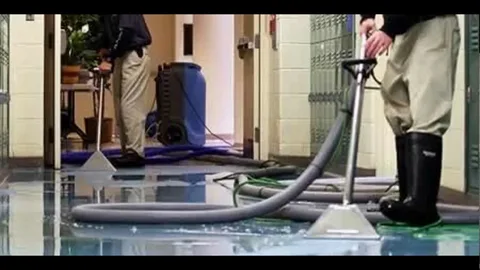
Trusted Water Damage Restoration in Summerlin, NV
Water intrusion can disrupt a home without warning and leave property owners unsure about what to handle first. A burst pipe, failed water heater, leaking appliance, damaged roof, plumbing backup, or severe storm can quickly spread moisture into flooring, walls, ceilings, cabinets, insulation, and personal belongings. Beyond controlling the source of the water, homeowners may also need to document damaged areas, protect unaffected property, communicate with insurance representatives, and organize estimates for necessary repairs. Managing water damage restoration in Summerlin, NV effectively requires a careful approach from the first signs of damage through the final restoration work. GNK, LLC helps property owners understand the condition of affected areas, organize restoration needs, and maintain useful documentation as the property moves toward recovery.
A complete restoration project may involve emergency water control, moisture evaluation, removal of damaged materials, drying, documentation, insurance communication, reconstruction, and final repairs. Taking action early can reduce the possibility of moisture spreading into additional areas. Clear photographs, accurate records, receipts, estimates, and communication logs can also make it easier for homeowners to explain the extent of the loss when speaking with their insurance carrier or adjuster.
What Should You Do After Discovering Water Damage?
The first step is to reduce further damage whenever it can be done safely. Depending on the source, this may mean shutting off the main water supply, stopping an overflowing appliance, moving furniture away from wet flooring, or arranging professional water extraction. Electrical hazards, contaminated water, and structural damage should always be treated carefully rather than approached without proper precautions.
Before significant cleanup begins, take photographs and videos of affected rooms, flooring, drywall, ceilings, furniture, appliances, and other damaged property. When preparing for Water damage restoration in Summerlin, NV, homeowners should also create an inventory of damaged belongings and keep receipts for emergency services, temporary protection, cleanup supplies, and other necessary expenses.
Reviewing the insurance policy early can also provide useful guidance. Policies may contain specific requirements regarding notification, emergency repairs, inspections, or supporting documents. Keeping copies of photographs, reports, estimates, receipts, emails, and claim-related correspondence in one location makes the restoration and insurance process easier to manage.
What Problems Can Slow Down Water Damage Restoration?
A frequent problem is removing damaged materials before their condition has been properly documented. Wet drywall, flooring, cabinets, furniture, and personal belongings may need to be discarded, but photographing these items beforehand can create a clearer record of the loss. Documentation is particularly valuable once demolition or cleanup changes the original appearance of the affected area.
Delaying notification can create additional complications as well. Homeowners dealing with Water damage restoration should review their policy obligations and report the incident within the required timeframe. Waiting too long may make it more difficult to identify the original cause, determine how far moisture traveled, or demonstrate the initial condition of damaged materials.
Another issue is assuming every source of water damage is handled the same way. Damage from a sudden supply-line break may be evaluated differently from gradual leakage, groundwater intrusion, sewer backups, or natural flooding. Correctly identifying the source helps guide restoration procedures while also providing useful information for insurance discussions.
Why Detailed Damage Documentation Matters
Professional documentation can provide a more complete picture of what happened inside a water-damaged property. Depending on the situation, restoration records may include photographs, moisture measurements, descriptions of damaged materials, affected-room details, recommended repairs, and estimated restoration costs.
Moisture may travel behind walls, underneath flooring, around baseboards, or inside building materials where visible inspection alone cannot show the full extent of the problem. A detailed assessment can help determine which materials may be dried successfully and which require removal or replacement.
Accurate records are also useful when discussing restoration work with an insurance adjuster. If questions arise about demolition, drying, damaged building materials, or repair costs, organized documentation gives everyone a clearer reference point. Final insurance coverage, however, remains dependent on the terms, exclusions, deductibles, and limits included in the homeowner’s individual policy.
Conclusion
Successful restoration involves more than simply removing visible water. Once standing water is addressed, affected areas may require moisture monitoring, drying, damaged-material removal, surface preparation, and reconstruction. Completing each phase carefully helps ensure repairs are based on the actual condition of the property rather than only what can be seen on the surface.
Homeowners should continue organizing estimates, invoices, photographs, inspection notes, and communication throughout the project. GNK, LLC helps Summerlin property owners understand restoration requirements and the repair information that may be useful when coordinating property recovery.
Whether you are researching Water damage restoration in Las Vegas, NV, preparing for an adjuster inspection, or arranging repairs after unexpected water intrusion, early action and organized records can simplify the process. A structured approach makes it easier to protect the property, understand the necessary repairs, communicate clearly with involved parties, and move toward restoring the home to a safe and usable condition.
Frequently Asked Questions
What Should I Do First When Water Damage Occurs?
Stop the water source if it can be done safely and move unaffected belongings away from the damaged area. Take photographs and videos before major cleanup begins, then arrange professional assistance when necessary.
Will Homeowners Insurance Cover Water Damage Restoration?
Coverage depends on the cause of the damage and the terms of your individual policy. Sudden plumbing failures may be handled differently from flooding, long-term leaks, sewer backups, or maintenance-related issues.
Which Water Damage Records Should I Keep?
Keep photographs, videos, damaged-item inventories, moisture reports, contractor estimates, receipts, invoices, and insurance correspondence. Organized records can make it easier to document the condition and cost of the loss.
Should Repairs Begin Before an Insurance Inspection?
Emergency work needed to stop additional damage may need to begin immediately. Document affected areas first whenever possible and communicate with your insurer before starting major permanent reconstruction or replacement work.
How Long Does Water Damage Restoration Usually Take?
The timeline depends on the amount of water, affected materials, drying requirements, repairs, inspections, and insurance procedures. Smaller incidents may progress quickly, while extensive structural damage can require a longer restoration process.