
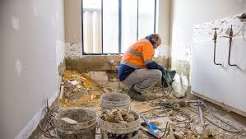
Professional Water Damage Insurance Claim In North Las Vegas
Discovering water damage in your home can turn an ordinary day into a stressful situation within minutes. A leaking water heater, broken supply line, overflowing appliance, roof damage, or sudden storm may affect flooring, drywall, furniture, and other valuable parts of the property. Once immediate water control begins, homeowners often have to deal with insurance paperwork, photographs, repair estimates, and adjuster communication. Preparing a Water damage insurance claim correctly can help make this process more organized. GNK, LLC helps North Las Vegas, NV property owners understand the importance of documenting damage carefully and taking practical steps before restoration and repair work moves forward.
Insurance claims can involve several stages, including reporting the incident, documenting the loss, meeting with an adjuster, reviewing estimates, and completing covered repairs. Missing information or unclear records can create unnecessary complications. Homeowners who act quickly, keep paperwork organized, and understand their policy requirements are generally better prepared to communicate with their insurance carrier throughout the process.
Why Proper Insurance Claim Preparation Matters After Water Damage
A Water damage insurance claim gives homeowners an opportunity to seek payment for losses that fall within the coverage of their insurance policy. However, policies can vary significantly in terms of deductibles, exclusions, limits, and covered causes of loss. Reviewing policy details early helps homeowners understand what information the insurance carrier may request and what expenses may or may not qualify for coverage.
Good documentation is one of the most important parts of the process. Photographs, videos, damaged-item lists, moisture findings, invoices, and repair estimates can provide useful evidence of the condition of the property. An insurance adjuster may use this information together with an inspection to determine the extent of damage and evaluate the claim.
Homeowners should also keep records of conversations with their insurance company. Writing down claim numbers, dates, contact names, and important instructions creates a clearer record of the process. Organized claim documentation can make follow-up communication easier if questions arise later.
What Steps Help Build a Strong Water Damage Claim?
The first priority after discovering water damage is to prevent additional loss when it can be done safely. This may involve shutting off a water supply, moving unaffected belongings away from the damaged area, or arranging emergency water removal. Before cleanup changes the condition of the property, homeowners should photograph and record affected rooms, materials, and personal belongings.
When preparing a Water damage insurance claim in North Las Vegas, NV, create a detailed inventory of damaged items and keep copies of receipts related to emergency services or temporary repairs. Documentation should be clear enough to show where the damage occurred and how extensively the property was affected.
It is also helpful to review the reporting requirements in your insurance policy. Some insurers request prompt notice after a loss, while additional forms or supporting documentation may be required later. Responding to legitimate information requests and keeping copies of everything submitted can help maintain a more organized claim file.
Which Insurance Claim Mistakes Can Create Unnecessary Delays?
One common mistake is cleaning or disposing of damaged materials before documenting their condition. Unless an item creates an immediate safety concern, homeowners may benefit from photographing it thoroughly before removal. Documentation gives the insurer a clearer record of what was affected before cleanup or repairs changed the scene.
Waiting too long to report the incident can also complicate a Water damage insurance claim. Insurance policies often contain duties that apply after a loss, so homeowners should review their policy and contact their carrier promptly. Delayed reporting may make it harder to establish the cause or original extent of the damage.
Another mistake is assuming that every type of water damage receives the same coverage. Sudden plumbing failures, long-term leaks, groundwater, sewer backups, and flooding may be treated differently depending on the policy. Understanding the reported cause of damage is therefore an important part of the claims process.
How Professional Damage Records Can Support Your Claim
Professional assessments can provide additional information about the condition of a water-damaged property. Depending on the situation, documentation may include photographs, moisture readings, affected-material descriptions, repair recommendations, and cost estimates. These records can help clarify the scope of work required to restore damaged areas.
Detailed information also makes it easier to discuss repairs with the insurance adjuster. If questions arise about affected materials, necessary work, or estimated costs, written documentation provides a reference point for both the homeowner and insurer.
Professional water damage claim documentation can also help organize restoration planning. Estimates and damage reports allow homeowners to compare the work needed with the coverage decisions made by their insurance carrier. However, final coverage and payment decisions remain subject to the terms, conditions, exclusions, and limits of the individual insurance policy.
Stay Organized Throughout the Water Damage Claim Process
Handling an insurance claim after property damage is easier when homeowners approach each stage carefully. Document affected areas, protect the property from additional damage when safe, review the insurance policy, and maintain records of estimates, receipts, and adjuster communication. GNK, LLC helps North Las Vegas, NV property owners understand the repair and restoration information that may be useful during the process.
Whether you are learning how to file a water damage insurance claim in Las Vegas, NV, gathering repair documentation, or preparing for an insurance inspection, organized records can reduce confusion. Taking action early and keeping important information together helps homeowners communicate more clearly with their insurance provider while moving toward property restoration.
Frequently Asked Questions
What Should I Do Immediately After Finding Water Damage?
If it is safe, stop or reduce the source of the water and protect unaffected areas from additional damage. Photograph the property before major cleanup, save damaged-item information, and notify your insurance company according to your policy requirements.
Does Homeowners Insurance Pay for Every Water Damage Incident?
No. Coverage depends on the cause of loss and the specific insurance policy. Sudden accidental water damage may be treated differently from long-term leakage, flooding, sewer backups, or maintenance-related problems.
What Documentation Should I Keep for My Insurance Claim?
Keep photographs, videos, damaged-property lists, repair estimates, emergency service receipts, inspection reports, and important correspondence with the insurer. These records can help document the extent and cost of the loss.
Can I Start Repairs Before the Insurance Adjuster Arrives?
Emergency steps needed to prevent additional property damage may be appropriate, but document the affected areas before changing them whenever possible. For major permanent repairs, review your policy and communicate with your insurer about required inspections or procedures.
How Long Can a Water Damage Insurance Claim Take?
There is no single timeline for every claim. Processing time can vary based on damage severity, documentation, inspections, coverage questions, contractor estimates, and the insurance carrier’s review process. Complete records and timely responses can help keep the process organized.