
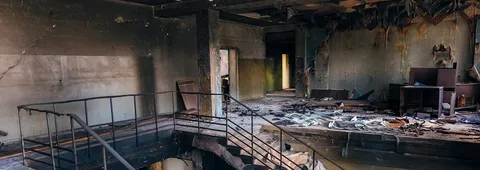
Fire Damage Restoration Services in North Las Vegas NV
Learn how fire damage restoration services help with smoke, soot, water damage, cleanup, and recovery steps after a fire in North Las Vegas, NV.
A fire can affect a property in many ways beyond the areas touched by flames. Smoke can spread throughout the building, soot can settle on surfaces, and water from firefighting efforts can create additional damage. The recovery process often requires careful assessment before repairs begin.
For homeowners in North Las Vegas and Spring Valley, NV, understanding fire damage restoration services can help them make informed decisions after an emergency. GNK, LLC provides fire and water damage restoration support focused on helping property owners understand the steps involved after fire-related incidents.
A proper recovery plan addresses visible fire damage while also considering hidden problems caused by smoke, moisture, and damaged building materials.
Why Fire Damage Restoration Services Require a Complete Approach
Fire damage is rarely limited to one area. Even a small fire can affect rooms beyond the original source because smoke and heat travel through the property.
A complete restoration evaluation may include:
- Burned materials
- Smoke residue
- Soot deposits
- Water damage from firefighting
- Damaged electrical components
- Odors
- Structural concerns
- Contaminated surfaces
Each type of damage may require a different cleaning or repair method.
How Fire Damage Restoration Services Begin After an Emergency
The first step after a fire is always safety. Homeowners should only enter the property after emergency officials confirm it is safe.
Once access is permitted, the restoration process may involve:
- Inspecting affected areas.
- Documenting visible damage.
- Identifying smoke and soot impact.
- Evaluating water-related issues.
- Removing damaged materials when appropriate.
- Cleaning affected surfaces.
- Addressing odors.
- Planning repairs and restoration.
The exact process depends on the size of the fire, affected materials, and the condition of the property.
Understanding Smoke and Fire Restoration
Smoke damage can continue affecting a property after flames are gone. Smoke particles can settle into walls, ceilings, furniture, flooring, and other materials.
Fire damage restoration services in North Las Vegas, NV focuses on removing contamination and restoring areas affected by smoke exposure.
Smoke-related problems may include:
- Strong odors
- Dark residue on surfaces
- Discoloration
- Damaged fabrics
- Air quality concerns
- Corrosion on certain materials
Different types of smoke can leave different residues, which means cleaning methods should match the specific situation.
The Role of a Fire Restoration Company
A professional fire restoration company helps coordinate the recovery process by evaluating damage and determining appropriate restoration steps.
When comparing restoration providers, homeowners should consider:
- Experience with fire-related damage
- Knowledge of smoke and soot cleanup
- Ability to address water damage
- Documentation practices
- Communication during the process
- Understanding of restoration procedures
The goal is to restore the property safely while reducing the chance of overlooked damage.
Fire Damage Compared to Water Damage After a Fire
Many homeowners focus only on burned areas, but water damage can become a major concern after firefighting efforts.
| Damage Type | Common Causes | Possible Issues |
| Fire damage | Flames and heat | Burned materials and structural damage |
| Smoke damage | Smoke movement | Odors and residue |
| Water damage | Fire suppression | Moisture and mold concerns |
| Soot damage | Combustion particles | Surface staining and contamination |
A complete assessment should consider all types of damage, not just what is visible.
Common Mistakes After Fire Damage
After a Smoke and fire restoration in Spring Valley, NV , homeowners often want to begin cleanup immediately. However, certain actions can create additional problems.
Common mistakes include:
- Entering unsafe areas
- Cleaning heavy soot without proper equipment
- Using incorrect cleaning products
- Throwing away damaged belongings too quickly
- Ignoring water damage
- Turning on damaged electrical systems
- Covering odors without addressing the source
Taking the right steps early can make the recovery process more organized.
Best Practices After a Fire
A structured response can help homeowners protect their property and important information.
Recommended steps include:
- Follow safety instructions from emergency officials
- Take photos of damage when safe
- Contact insurance providers
- Keep receipts for temporary expenses
- Create a list of damaged belongings
- Protect unaffected areas when possible
- Address moisture concerns quickly
- Keep records of restoration work
Documentation can help homeowners understand repair needs and communicate with insurance representatives.
Smoke Odor and Property Recovery
Smoke odors can remain even after visible soot has been removed. Porous materials such as upholstery, fabrics, insulation, and some building materials can absorb smoke particles.
Removing odors may require:
- Cleaning affected surfaces
- Removing damaged materials
- Treating affected areas
- Improving ventilation
- Evaluating hidden smoke exposure
Air fresheners and surface sprays usually do not remove the source of smoke odors.
Protecting Personal Belongings After a Fire
Not every item exposed to smoke or soot needs to be discarded. The ability to restore belongings depends on the material, damage level, and contamination type.
Items that may require evaluation include:
- Furniture
- Clothing
- Documents
- Electronics
- Decorations
- Household items
Avoid discarding damaged items before documenting them, especially when insurance claims may be involved.
Actionable Tips for North Las Vegas and Spring Valley Homeowners
After a fire incident:
- Wait for approval before entering the property.
- Photograph damage when safe.
- Avoid disturbing heavily damaged areas.
- Separate important documents if possible.
- Contact your insurance provider.
- Keep records of expenses.
- Ask about smoke, soot, and water damage separately.
- Schedule a professional damage assessment.
These steps can help create a clearer path toward recovery.
Preparing for Restoration Decisions
Before restoration begins, homeowners should understand what work is required and why.
Ask questions such as:
- What areas were affected?
- Is smoke damage present outside the fire area?
- Is water damage included in the assessment?
- Which materials need replacement?
- What cleaning methods will be used?
- What repairs are needed before the property can return to normal use?
Clear information helps homeowners make decisions based on the actual condition of the property.
Conclusion
A fire restoration company helps homeowners address the complex effects of a fire, including smoke, soot, water damage, and damaged materials. For residents in North Las Vegas and Spring Valley, NV, understanding the restoration process can make the recovery period easier to manage.
GNK, LLC provides fire and water damage restoration services designed around the needs of affected properties. A careful evaluation, proper documentation, and a structured restoration plan can help homeowners move forward after a fire.
FAQs
1. What do fire damage restoration services include?
Fire damage restoration services may include damage assessment, smoke and soot cleanup, water damage evaluation, odor removal, material removal, and restoration planning.
2. Can smoke damage affect areas where there was no fire?
Yes. Smoke can travel through rooms, vents, and building openings, leaving residue and odors in areas away from the original fire.
3. Why is water damage common after a fire?
Firefighters often use large amounts of water to control flames. That water can create moisture problems that need attention during restoration.
4. How do I choose a fire restoration company?
Look for experience with fire, smoke, and water damage; clear communication; proper documentation practices; and a detailed explanation of the restoration process.
5. Should I clean soot damage myself?
Small cleaning tasks may be possible, but heavy soot and smoke damage often require professional evaluation because improper cleaning can spread residue or damage materials.