
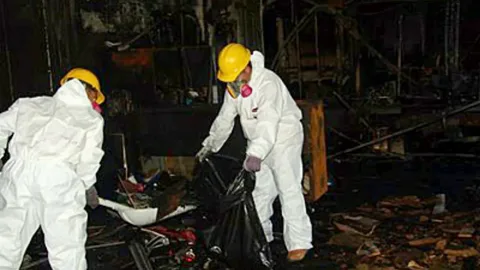
Fire Damage Cleanup in Summerlin, NV Property Repair Guide
Learn how fire damage cleanup in Summerlin, NV handles soot, smoke, water, odors, and structural damage, plus practical steps for safer property recovery.
A property fire can leave damage that extends far beyond the area touched by flames. GNK, LLC works with damaged homes and properties where smoke, soot, water, and affected building materials all need careful evaluation before repairs begin.
Professional fire damage cleanup should address both visible destruction and less obvious problems. In Summerlin and Henderson, NV, property owners may face smoke residue in nearby rooms, water from firefighting efforts, damaged drywall, affected flooring, and odors that remain after burned materials are removed.
What Fire Damage Cleanup Should Address First
Safety should come before cleaning. Do not enter restricted areas until emergency officials or qualified professionals determine that access is safe.
Once entry is allowed, the property should be evaluated as a whole. Fire can affect framing, finishes, electrical components, insulation, and personal belongings. Smoke may also travel through doorways, vents, and connected spaces.
Important areas to inspect include:
- Burned structural materials
- Smoke and soot on walls and ceilings
- Wet drywall and insulation
- Damaged flooring
- HVAC vents and duct openings
- Electrical fixtures and wiring
- Cabinets and nearby contents
- Windows, doors, and exterior openings
The area with the most visible damage is not always the only area requiring attention.
How Fire Damage Cleanup Deals With Smoke and Soot
Smoke and soot behave differently depending on what burned and which surfaces they reached. Some residue remains dry and powdery, while other deposits can be oily or difficult to remove.
Aggressive DIY cleaning can spread soot across walls or push residue deeper into porous surfaces. Professional fire damage cleanup in Summerlin, NV usually starts by identifying the type of contamination and deciding which materials can be cleaned and which may require removal.
Odor treatment should come after the source of smoke contamination has been addressed. Covering the smell without removing affected residue rarely solves the underlying problem.
Fire, Smoke, and Water Damage Need Different Solutions
A single fire can create several types of property damage at the same time.
| Damage Type | Typical Problem | Restoration Focus |
| Fire damage | Burned or weakened materials | Removal and repair planning |
| Smoke damage | Residue beyond fire area | Cleaning and containment |
| Soot damage | Surface deposits | Material-specific cleaning |
| Water damage | Wet floors, walls, insulation | Extraction and drying |
| Odor damage | Persistent smoke smell | Source treatment and deodorizing |
A complete restoration plan should account for each condition rather than treating the project as simple debris removal.
Why Water Damage Matters After a Fire
Water used during firefighting can spread under flooring, behind walls, and into insulation. Even after standing water disappears, moisture may remain inside building materials.
Professional water damage restoration services in Henderson, NV may include extraction, moisture detection, drying, humidity control, and evaluation of materials that cannot be restored.
Wet drywall, insulation, wood, and flooring need careful attention. Installing new finishes over damp materials can trap moisture and create additional problems later.
This is why fire and water restoration often overlap after a serious property loss.
Common Fire Restoration Mistakes
One common mistake is beginning cleanup before documenting the condition of the property. Photos, videos, and written notes can be important when organizing repairs or handling an insurance claim.
Another mistake is throwing away damaged items immediately. Some belongings may need to remain available for documentation or evaluation.
Property owners should also avoid:
- Entering structurally unsafe areas
- Scrubbing soot without knowing the right method
- Turning HVAC equipment on too soon
- Painting over smoke-stained surfaces
- Ignoring hidden moisture
- Rebuilding before materials are properly dried
- Treating smoke odor with fragrance alone
A fast response matters, but the work still needs to happen in the correct order.
Best Practices for Smoke and Fire Restoration
Start with stabilization. Broken windows, roof openings, damaged doors, or exposed sections may need temporary protection.
Document the condition before unnecessary changes begin.
Ask how the restoration team will separate affected and unaffected areas. Containment can help reduce the movement of dust, soot, and debris during cleanup.
Also ask how moisture levels will be checked before reconstruction starts.
When evaluating water damage restoration services, make sure drying includes more than removing visible water. Moisture behind walls and beneath flooring may require additional equipment and monitoring.
Actionable Steps After a Property Fire
Once authorities allow safe access, follow a practical sequence:
- Photograph visible damage before major cleanup.
- Identify areas exposed to water as well as fire.
- Keep records of damaged belongings.
- Avoid disturbing heavy soot deposits.
- Ask which materials can be cleaned and which need replacement.
- Confirm that wet areas are dry before reconstruction.
- Keep estimates, reports, receipts, and insurance documents together.
For properties in Summerlin and Henderson, a coordinated approach can help keep cleanup, drying, structural repairs, and rebuilding from becoming disconnected projects.
Conclusion
Effective fire damage cleanup involves much more than removing burned materials. Smoke, soot, water, odors, damaged finishes, and structural concerns can all require separate evaluation before a property becomes usable again.
GNK, LLC provides fire and water damage restoration for communities including Summerlin and Henderson, NV. Starting with safety, documenting the damage, controlling moisture, and completing smoke and fire restoration in the correct order can help property owners avoid overlooking problems that remain hidden after the initial emergency.
FAQs
1. How soon should fire damage cleanup begin?
Cleanup should begin after emergency officials confirm that the property can be safely accessed. Water removal and stabilization may require early attention.
2. Can smoke damage spread beyond the room where the fire occurred?
Yes. Smoke can move through doors, vents, wall openings, and connected rooms, leaving residue well beyond the burned area.
3. Why is water damage restoration needed after a fire?
Firefighting efforts can leave water inside walls, floors, insulation, and other materials. Proper drying helps address moisture before reconstruction begins.
4. Can I clean soot from walls myself?
Light surface residue may look simple to clean, but the wrong method can smear soot or push it deeper into porous materials. Heavy contamination should be evaluated before cleaning.
5. What does fire and water damage restoration include?
Depending on the loss, restoration may include damage assessment, debris removal, water extraction, structural drying, smoke and soot cleanup, odor treatment, material removal, and repairs.