
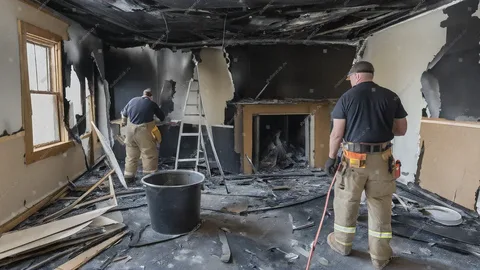
Affordable Fire and Water Damage Restoration Services in Las Vegas, NV
Fire and water emergencies can change a property’s condition within a short time. Water may spread beneath flooring or into walls, while fire can leave soot, smoke residue, damaged materials, and lingering odors. Therefore, restoration should address both visible problems and damage that may remain hidden.
GNK LLC provides fire and water damage restoration for homeowners and property managers in Las Vegas and nearby communities. The company’s restoration service covers emergency response, damage assessment, water extraction, drying, fire cleanup, structural repairs, and insurance-related restoration.
A reliable fire and water damage restoration plan starts with understanding the source of the damage. A burst pipe requires a different response from floodwater. Likewise, a small contained fire may affect different materials than a larger event involving several rooms.
Quick action also matters. Moisture can continue moving after a leak stops, while smoke and soot can settle on surfaces throughout a building. Consequently, homeowners should avoid focusing only on the areas that look damaged.
The restoration process should bring safety, moisture control, cleaning, repairs, and rebuilding together. This approach gives property owners a clearer path from the initial emergency to a usable home.
What Professional Restoration Should Address
Restoration involves more than cleaning a damaged room. A thorough approach considers the source, affected materials, hidden moisture, structural condition, and repairs required after cleanup.
Assessing the Property Before Repairs
Professional fire and water damage restoration begins with a careful assessment. GNK LLC explains that its emergency response includes evaluating damage, securing the property, and developing a restoration approach based on the affected areas.
Five practical priorities include:
- Identify the source of the damage.
- Check visible and concealed affected areas.
- Protect unaffected portions of the property.
- Document damage before major repairs.
- Determine which materials need cleaning or replacement.
Moreover, water extraction should happen before structural drying can progress effectively. Damp drywall, flooring, wood, and other materials may require additional evaluation.
Fire restoration also requires attention to smoke and soot. These residues can affect walls, ceilings, flooring, and other surfaces even when the flames were limited to one location.
Therefore, a restoration plan should not rely on appearance alone. Proper assessment helps determine the actual scope of work.
Water Extraction, Drying, and Moisture Control
Water damage often looks smaller than it really is. Standing water may be obvious, but moisture can travel underneath flooring, behind baseboards, and into building materials.
Preventing Problems From Trapped Moisture
Expert water damage restoration services focus on removing excess water and controlling the moisture that remains. GNK LLC describes water extraction, moisture control, drying, and restoration of affected surfaces as part of its flood and water restoration work.
Five important steps include:
- Remove standing water promptly.
- Locate moisture in affected materials.
- Dry floors and wall areas thoroughly.
- Control indoor humidity during drying.
- Evaluate materials that remain damaged.
Additionally, drying should continue until affected materials reach suitable moisture conditions. Simply placing a fan in a wet room may not address moisture inside concealed areas.
Water extraction can also help reduce the time materials remain saturated. Consequently, it becomes an important early stage of the restoration process.
Floodwater requires extra caution because its source may introduce contaminants. Homeowners should avoid unsafe areas and leave specialized cleanup to qualified professionals when contamination or electrical hazards may exist.
A detailed moisture assessment provides a stronger basis for deciding whether materials can be restored or require removal.
Fire and Smoke Damage Restoration in Las Vegas
Fire damage does not end when the flames are out. Smoke, soot, heat, and water used during firefighting can all affect the property.
Cleaning More Than the Burned Area
For homeowners considering fire damage restoration in Las Vegas, NV, the cleanup process should consider both direct fire damage and secondary effects. GNK LLC states that its fire restoration work addresses fire, smoke, and soot damage to walls, ceilings, flooring, and structural components.
Five areas deserve attention:
- Smoke and soot on finished surfaces.
- Lingering smoke odors.
- Heat-affected materials.
- Water damage from firefighting.
- Structural components requiring repair.
Furthermore, smoke can travel beyond the room where a fire started. This makes a broader inspection useful, especially when ventilation systems or connected rooms are involved.
Surface cleaning should also match the affected material. Different finishes can react differently to cleaning methods, so aggressive DIY scrubbing may cause additional damage.
GNK LLC also describes structural restoration involving framing, drywall, flooring, and finishing work when fire or flood damage affects those components.
Therefore, the goal should be a complete recovery rather than simply making the property look cleaner.
Insurance Restoration and Property Documentation
Fire and water emergencies often create a second challenge: managing the insurance claim. Clear documentation can help property owners explain what happened and what repairs the property requires.
Keeping the Restoration Process Organized
Reliable insurance restoration services can coordinate restoration work with documentation and repair requirements. GNK LLC states that it supports insurance-related restoration projects and emphasizes damage assessments, documentation, estimates, and communication during repairs.
Five useful practices include:
- Photograph damaged rooms and belongings.
- Keep records of restoration-related communication.
- Create an inventory of affected contents.
- Save estimates and repair documents.
- Discuss repair requirements with the insurer.
Additionally, homeowners should understand their policy before assuming a particular loss will receive coverage. Coverage varies by policy and circumstance.
For larger losses, organized documentation becomes even more useful. It can help establish the condition of the property and track work completed during restoration.
The contractor also needs clear information about the event. For example, a property owner should explain whether damage came from a plumbing failure, storm, flood, fire, smoke, or another source.
As a result, accurate information can help keep restoration planning more organized from the first inspection through final repairs.
Restoration Support for North Las Vegas Properties
North Las Vegas properties can experience the same types of fire, water, and flood emergencies as other homes in the region. However, every property has its own layout, materials, and repair requirements.
Coordinating Cleanup With Rebuilding
Homeowners seeking property damage restoration in North Las Vegas, NV can benefit from a process that connects damage assessment with the repairs that follow. GNK LLC has a dedicated article discussing insurance restoration and fire and water damage claims in North Las Vegas.
Five practical considerations include:
- Record damage before unnecessary changes.
- Address urgent safety concerns first.
- Remove or dry water-damaged materials appropriately.
- Coordinate repairs with insurance requirements.
- Review completed work before closing the project.
Moreover, restoration may involve several trades. Drywall, flooring, framing, painting, and finishing can all become necessary after significant damage.
The company’s North Las Vegas insurance restoration information describes assistance with water damage claims, fire damage claims, documentation, estimates, and repairs.
This makes the restoration process broader than simple cleanup. The objective is to return damaged areas to a safe and functional condition.
Property owners can review fire and water restoration support in North Las Vegas, NV for additional information about the claims and restoration process.
Choosing a Practical Restoration Approach
Every emergency has different circumstances. A useful restoration plan should reflect the type of damage, affected materials, property condition, and required repairs.
Questions Worth Asking Before Work Begins
Best property damage restoration services should provide clear information about the work rather than making broad promises.
Five questions can help homeowners understand the project:
- What caused the damage?
- Which areas require immediate attention?
- Can affected materials be restored?
- What repairs will follow cleanup?
- How will the completed work be checked?
Furthermore, homeowners should ask how the contractor will protect unaffected areas during restoration.
GNK LLC states that it prioritizes clear communication, workmanship, and organized project management across its repair and restoration services.
The project scope may also change after demolition reveals hidden damage. Therefore, homeowners should understand how unexpected conditions will be documented and communicated.
A good restoration process should remain practical. It should address urgent problems first, preserve materials that can reasonably be restored, and replace components that cannot provide a safe or durable result.
Finally, a walkthrough can help confirm that major restoration tasks are complete and that remaining items have been identified.
Conclusion
Fire and water damage can affect a property in several ways. Water may compromise floors, drywall, cabinets, and structural materials, while fire can leave soot, smoke residue, odors, and heat-related damage. In many cases, one emergency can create several types of restoration work.
That is why reliable fire and water damage restoration in Las Vegas, NV should begin with a proper assessment. The restoration team needs to understand the source, identify affected areas, control moisture, evaluate damaged materials, and determine which repairs are necessary.
Water extraction and structural drying can help address moisture before it creates further problems. Fire restoration requires a different focus, including soot removal, smoke-related cleaning, odor treatment, and structural evaluation.
Insurance documentation can also become an important part of recovery. Photographs, estimates, inventories, and clear communication can help property owners keep the restoration process organized.
GNK LLC’s restoration service covers fire and flood emergencies, water extraction, moisture control, structural repairs, insurance restoration support, and related rebuilding work.
Overall, successful restoration is not simply about making a damaged room look better. It is about addressing the source, stabilizing the property, restoring affected materials where practical, and completing necessary repairs so the space becomes safe and functional again.
FAQ’s
What does fire and water damage restoration include?
It can include damage assessment, water extraction, drying, smoke and soot cleanup, material removal, structural repairs, and rebuilding. The exact scope depends on the property.
Why should water damage receive prompt attention?
Moisture can spread into flooring, walls, and other materials. Prompt extraction and drying can help limit additional property damage.
Does fire restoration include smoke and soot cleanup?
Yes. Fire restoration may address soot, smoke residue, odors, damaged surfaces, and structural components affected by the fire.
Can restoration work involve insurance claims?
Yes. Insurance-related restoration may involve documentation, estimates, damage assessment, repairs, and communication with the insurance provider.
Does GNK LLC serve North Las Vegas?
Yes. GNK LLC lists North Las Vegas among its service communities and provides information about fire and water damage insurance restoration there.