
Professional Fire and Water Damage Restoration in Las Vegas, NV
Professional fire and water damage restoration in Las Vegas, NV for smoke cleanup, water removal, structural drying, repairs, and complete recovery planning.
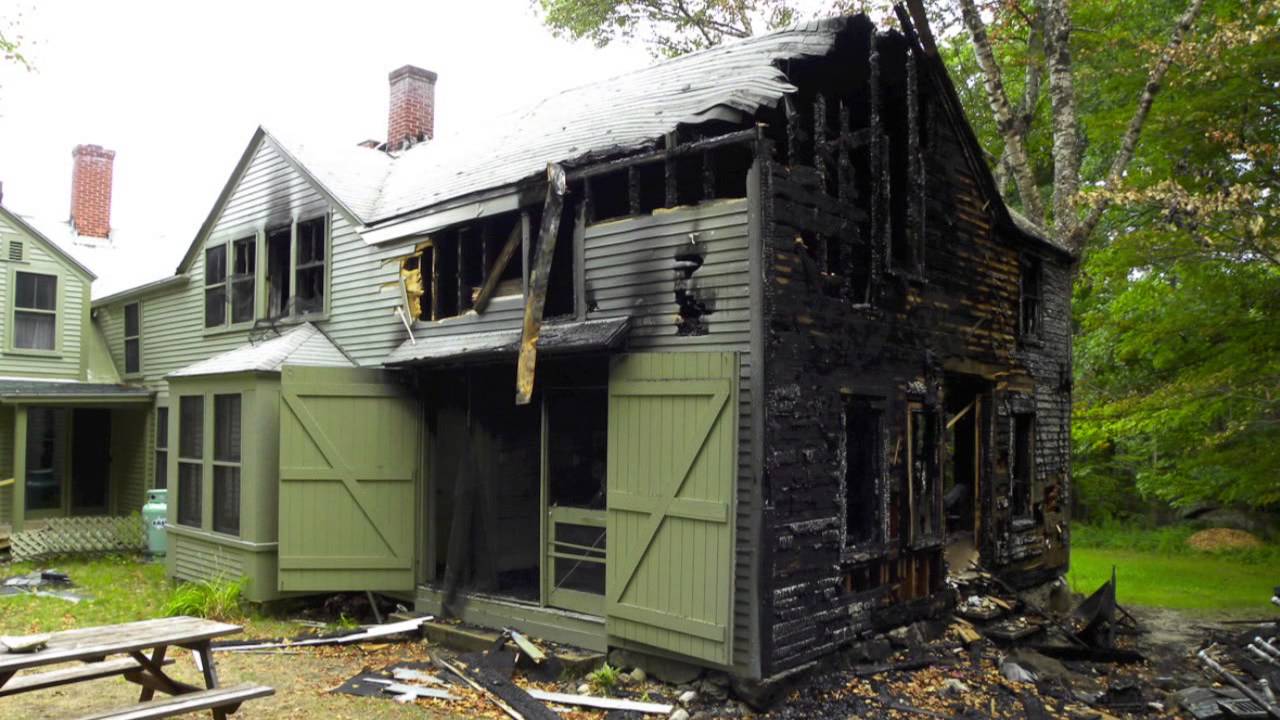
Fire or water damage can turn a usable property into a complicated repair project within a short time. Burned materials, smoke residue, standing water, damaged drywall, wet flooring, and hidden moisture may all need attention before normal use can resume. Fire and Water damage restoration brings those problems into one organized recovery process, starting with inspection and stabilization before moving into cleaning, drying, repairs, and final restoration. GNK LLC provides restoration services for homeowners and property managers across Las Vegas and surrounding communities, with fire, smoke, water, and structural repair work listed among its restoration capabilities.
The correct response depends on what caused the loss and which parts of the building were affected. Fire can damage finishes, framing, insulation, electrical components, and contents, while smoke may travel beyond the room where flames were present. Water can spread beneath floors, through wall cavities, and into porous materials that still look acceptable on the surface. A strong recovery plan therefore looks beyond visible damage. It documents existing conditions, separates salvageable materials from damaged ones, controls moisture, removes residue, and coordinates repair work in a logical order.
Begin With a Detailed Damage Assessment
Restoration should start with an inspection rather than immediate cosmetic work. Fire damage can affect structural materials, wall systems, ceilings, insulation, fixtures, and electrical areas. Water damage may weaken drywall, swell wood products, soak flooring assemblies, or remain trapped in concealed spaces. A practical inspection records the source of damage, the rooms involved, visible structural concerns, moisture conditions, smoke impact, and materials that may need removal. The inspection should guide the sequence of work. Removing finishes too early can create unnecessary repair costs, while leaving severely damaged or wet materials in place can slow recovery. Clear documentation helps restoration work stay focused on actual conditions instead of assumptions.
Fire Cleanup Goes Beyond Burned Materials
Fire damage cleanup is not limited to carrying out visibly burned debris. Heat, smoke, soot, and firefighting water can affect areas that did not experience direct flame contact. Smoke particles may settle on ceilings, walls, cabinetry, fixtures, furniture, and ventilation surfaces. Soot can stain materials and create persistent odor when it is not treated correctly.
Cleaning methods should match the surface and the type of residue. Aggressive scrubbing can spread soot or damage finishes, while ordinary household cleaners may not be appropriate for every material. Restoration professionals first identify what can be cleaned and what is too damaged to remain.
A complete Fire and Water damage restoration project may therefore combine debris removal, smoke treatment, drying, structural repair, and finish replacement.
Smoke and Soot Require Targeted Treatment
Smoke and fire restoration often becomes difficult because smoke travels through openings, air pathways, and adjoining rooms. A bedroom or hallway may show staining even when the main fire occurred somewhere else. Porous materials can also absorb odor, which means a room may continue smelling smoky after visible residue has been wiped away.
Soot should be evaluated before cleaning begins. Some residues are dry and powdery, while others are greasy or strongly bonded to the surface. Using the wrong cleaning method can push residue deeper into paint, fabric, or porous materials. Odor treatment should follow source removal and cleaning rather than simply masking the smell. Damaged materials that cannot be restored may need removal, and remaining surfaces should be cleaned before deodorizing steps are considered. Property owners looking for Smoke and fire restoration in Las Vegas, NV should ask how the contractor plans to address both visible soot and hidden odor sources.
Water Damage Can Continue After Extraction
Water damage cleanup begins with removing standing water, but extraction is only one stage of recovery. Moisture can remain beneath flooring, inside drywall, within cabinets, and around framing after visible water is gone. If those areas stay damp, materials may swell, lose strength, stain, or require more extensive repair later.
Professional drying typically uses controlled air movement and dehumidification to reduce moisture in affected materials and indoor air. Moisture readings help determine whether conditions are improving. Water source also affects cleanup decisions. A supply-line leak, appliance failure, roof opening, or outside flood event can create different contamination and material concerns. Restoration planning should consider where the water came from, how long it was present, and which materials absorbed it.
When Flood Damage Restoration Is Needed
Flood damage restoration may involve more than drying a wet floor. Water can move through multiple rooms, carry debris, enter wall cavities, and affect lower sections of cabinets or partitions. If water reached electrical components or created structural concerns, those issues need evaluation before reconstruction proceeds.
Porous materials deserve close attention because they can absorb water deeply. Carpet padding, drywall, insulation, particleboard, and some furnishings may be difficult to restore depending on exposure and contamination. Flood damage restoration should therefore combine extraction, drying, cleaning, material evaluation, and repair planning. The purpose is to restore safe function rather than simply improve appearance. Rebuilding over wet or unstable materials can create avoidable problems after the project seems finished.
Structural Repairs Follow Stabilization
Once cleaning and drying are under control, damaged building components can be addressed. Fire or water exposure may affect drywall, ceilings, flooring, framing, trim, cabinets, and other structural or finish materials. Structural repair is different from cosmetic patching. A stained wall can sometimes be cleaned and refinished, while a wall with damaged framing or saturated insulation may require opening and reconstruction. GNK LLC lists structural repair and property restoration as part of its service. That combination can be useful when cleanup and rebuilding need to remain coordinated instead of being treated as unrelated jobs. Clear sequencing helps ensure new finishes are installed only after damaged or wet materials have been addressed.
Emergency Fire Restoration Requires Priorities
Emergency fire restoration should focus first on safety, stabilization, documentation, and protection from additional damage. Property owners may feel pressure to begin repairs immediately, but rushing into finish work before smoke, moisture, or structural issues are understood can create rework.
The first priorities usually include confirming safe access, documenting visible damage, protecting exposed areas, identifying materials that need removal, and planning smoke and water cleanup. Utilities may also require attention if heat or firefighting water reached electrical, gas, plumbing, or mechanical systems.
Once immediate conditions are controlled, the project can move into cleaning and reconstruction. A fire restoration company should be able to explain which work is urgent, which work depends on inspection results, and what needs to happen before the next phase begins.
Recovery Planning for Winchester Properties
Property owners considering Water damage cleanup in Winchester, NV should approach the project in phases rather than treating every damaged surface at once. The Winchester service-area page specifically includes fire and water recovery services involving water extraction, controlled drying, smoke residue cleanup, odor treatment, and repairs.
Start by separating immediate hazards from longer-term rebuilding. Standing water, unsafe materials, exposed openings, and active leaks deserve early attention. Next comes moisture control, cleanup, and evaluation of what can remain. Repair decisions become easier after the property is stable and dry.
This staged approach also improves communication. Homeowners can ask for documentation of the damage, the cleanup scope, materials scheduled for removal, drying progress, and repair recommendations.
Insurance Documentation and Repair Coordination
Restoration projects often involve insurance communication, so accurate records can be useful throughout the process. Photographs, damage notes, estimates, invoices, material lists, and change orders create a clearer record of what happened and what work was completed.
Property owners should review their own policy rather than assuming a particular loss is covered. Fire, plumbing leaks, appliance failures, and outside flooding can be treated differently depending on the policy. Questions about coverage, deductibles, limits, or approval requirements should be directed to the insurer or appropriate claims representative.
GNK LLC also lists insurance-supported restoration assistance on its service page. Even when a contractor helps organize repair documentation, the property owner should still understand the scope of work and who is responsible for each decision.
Choosing a Fire Restoration Company
A fire restoration company should be evaluated on its process, not only on how quickly it promises to start. Ask how the initial inspection is documented, how smoke and soot are evaluated, how wet materials are identified, and how structural repairs are separated from cosmetic work. The answers should explain the reasoning behind the work.
Ask whether the same company coordinates cleanup and repairs or whether several contractors will be involved. If multiple trades are needed, understand who manages scheduling and quality checks. Property owners should also request a written scope that describes removal, cleaning, drying, repair, and finishing responsibilities.
Emergency fire restoration can involve changing conditions as damaged materials are opened. A good process allows newly discovered issues to be documented before additional work is authorized. This protects both the homeowner and the contractor from misunderstandings.
Common Restoration Mistakes to Avoid
One common mistake is painting over smoke staining before residue and odor sources are properly treated. Another is replacing drywall or flooring before moisture conditions are verified. These shortcuts may make a room look improved while leaving the original problem unresolved.
Another mistake is discarding damaged contents before photographing them or checking insurance documentation requirements. When safe, record affected belongings and building materials before major disposal. Keep receipts and written communication together.
Water damage cleanup can also fail when attention stays only on visible puddles. Concealed moisture beneath flooring or inside walls may require testing and targeted drying. Likewise, fire damage cleanup should consider adjacent rooms and air pathways rather than only the area where flames were visible.
Conclusion
Fire and water losses require more than surface repairs. Effective restoration begins with inspection, documentation, stabilization, cleanup, and moisture control before moving into structural repairs and final finishes. Smoke, soot, odor, standing water, hidden moisture, and damaged building materials each require different decisions, so the work should follow a logical sequence.
GNK LLC provides fire and water restoration services for Las Vegas, Winchester, and surrounding communities. Homeowners benefit from asking clear questions about the inspection, cleanup methods, drying process, repair scope, and insurance documentation before work moves forward. Whether the project involves smoke and fire restoration, flood damage restoration, or a combination of both, careful planning helps protect the property from incomplete repairs and creates a clearer path from initial damage to a safe, functional space.
Frequently Asked Questions
1. What does fire and water damage restoration include?
The work can include damage assessment, debris removal, smoke and soot cleanup, water extraction, structural drying, odor treatment, material removal, and repairs. The exact scope depends on the source and severity of the damage.
2. Why is smoke cleanup needed outside the burned room?
Smoke can travel through openings and air pathways, settling on surfaces beyond the fire area. Proper fire damage cleanup should evaluate adjoining rooms for residue, staining, and odor instead of focusing only on visibly burned materials.
3. How do professionals know when water damage is dry?
Restoration teams can use moisture measurements along with visual inspection to track drying progress. Surfaces may appear dry while moisture remains beneath flooring, behind walls, or inside other porous building materials.
4. When should structural repairs begin?
Repairs should begin after unsafe materials are removed, moisture is controlled, and the condition of affected structural components is understood. Installing finishes too early can conceal unresolved water or fire damage.
5. What should I ask an emergency fire restoration contractor?
Ask how damage will be documented, how smoke and water will be addressed, what materials may need removal, how repairs are coordinated, and how unexpected conditions discovered during demolition will be handled.
6. Does flood damage always require complete replacement?
No. Some materials may be dried, cleaned, and retained, while others may require removal because of contamination, swelling, deterioration, or structural damage. The decision should be based on actual material condition and moisture assessment.